


What you need to know...
Supplments 101
'Food first, supplement second'. If you are not getting the nutrients you need from food, supplements may be a good option for you to include in your diet.
Supplements can be used in conjunction with your diet to combat nutrition deficiencies, enhance performance, and optimize health.
Should I be taking supplements?
General supplement suggestions
Nutrition labels of ALL supplements are not required to match what is in the product (crazy, right). So if your protein powder says '100% whey protein', it could really be 'whey protein, rice flour, fillers, flavors, etc.'.
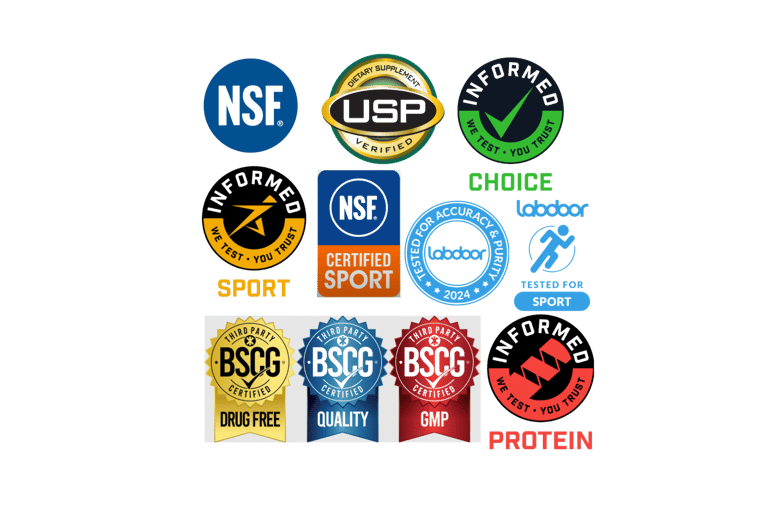
Before taking any supplement, ensure it is 3rd party tested so you can know with certainty what is in the product. Below are the labels of 3rd party testing companies that you can see on supplements to verify their purity.
After ensuring a supplement is 3rd party tested, consider the effectiveness of the supplement. What are the proposed benefits of it? Are there scientific studies that confirm it works?
Examine.com is a website that outlines scientific data about a supplements effectiveness. You can also input supplement information into the app SuppCo to see details and suggested dosing for your supplement.
Always check with your doctor before taking any supplements, especially if you take medications.
Here are a few supplements that are generally considered beneficial to add to your diet.
Multivitamin, fish oil, probiotic, protein powder and creatine.
3rd party testing
Read the full article


Why do people use supplements? One primary reason is to fill nutritional gaps in their diets. Many people struggle to consume adequate amounts of essential nutrients due to busy lifestyles, dietary restrictions, or food preferences.
For example, vegans may lack vitamin B12, while older adults might find it challenging to absorb enough calcium and vitamin D. In such cases, supplementing with these key nutrients can help individuals stay healthy.
Supplements 101
What exactly are supplements? Dietary supplements are products that provide essential nutrients, such as vitamins, minerals, and other dietary ingredients. They come in various forms, including capsules, powders, gummies, and liquids.
Supplements are used in conjunction with your diet to support specific health or performance needs. Supplements like multivitamins can provide a convenient way to ensure you 'fill the gaps' with any nutrients you might be missing in your diet. While pre and post-workout supplements can be used to provide convenient nutrient-specific timing to improve performance or recovery.
It is always important to consult with your physician before taking any supplement, especially if you have an underlying health condition or are taking medications. Sometimes supplements may have drug interactions that impact potency or absorption.
Third party testing of supplements
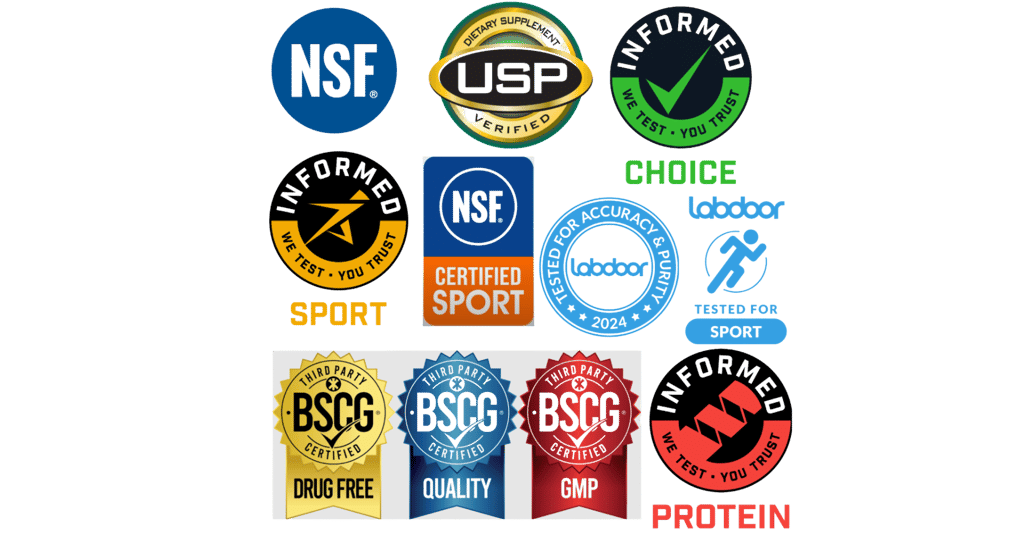
Supplements are not regulated by any governing body. What this means, is what the supplement says it is (i.e. 100% vitamin D), does not need to match what is actually in the product. Shocking yes, you would expect something you're consuming to need to be what it claims to be, but because of government lobbying, this is not required for supplements.
What this means, is that you must ensure whatever supplement you take is first 3rd party tested to confirm what it claims to be is what it actually is. Third party tested supplements will include a label from the agency that does the testing (indicated above). This is a great article that outlines information about each 3rd party testing agency.
Additionally, you can search for 3rd party tested products by using the NSF search tool or the SuppCo app.


Should I be taking supplements?
Everybody takes supplements for different reasons. After making sure your supplement is 3rd party tested, you should consider if the supplement you are thinking about taking is actually effective (i.e. are there studies that back what it claims to do, or is it just 'hype' around it's perceived benefits).
Examine.com is a website that outlines scientific data about a supplements effectiveness. You can also input supplement information into the app SuppCo to see details and suggested dosing for your supplement.
Protein Supplements: Do You Need Them?
Protein supplements have gained popularity in recent years, particularly among athletes, bodybuilders, and those looking to enhance their fitness routines. These products come in various forms, including powders, bars, and shakes, and are designed to help individuals meet their protein requirements, especially when dietary intake may fall short. However, whether or not these supplements are necessary depends on individual circumstances.


Supplement suggestions for a Dietitian
Including supplements in your diet requires time and research to ensure that they are safe and effective. It's important to always check with your doctor before taking any supplement to make sure it is safe for you, especially if you have an underlying condition or take medications.
Always ensure your supplements are third party tested and do you research to confirm the effectiveness of the supplements you take. Here are a few supplements that are generally considered beneficial to add to your diet based on studies and the potential benefit they pose from offsetting nutritional defenceices.
Multivitamins, fish oil, probiotics, protein powder and creatine are all generally considered to be effective supplements to take. Further discussion about your nutrition goals with a Registered Dietitian may be beneficial if you hope to understand what works for you and your nutrition goals when it comes to supplementation.