

What you need to know...
We need *some salt in our diet
Sodium (salt) is a key electrolyte, important for muscle contraction and nerve signaling. The recommended daily intake for sodium is 1500-2300 mg. One dill pickle spear is 350 mg of sodium for reference.
Foods that are high in salt
How to limit salt intake
Sodium is a key taste receptor on your tongue and helps to keep foods shelf stable. This makes sodium the perfect additive in processed foods, so they often contain a lot of sodium. One packet of ramen noodles can contain almost 2,000 mg of sodium!
This may seem like a no-brainer, but foods that taste salty have a lot of sodium in them. Anything that's pickled (sauerkraut, kimchi, pickles and olives) as well as cheese and processed foods are high in sodium.
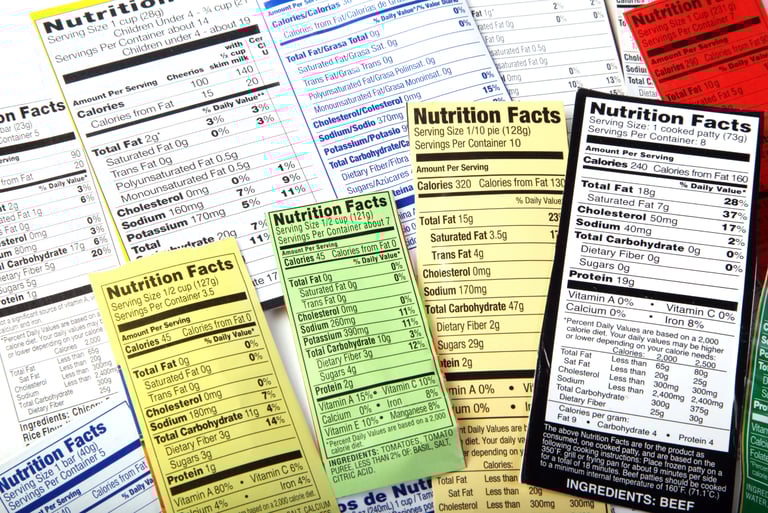
Read nutrition labels to analyze how much sodium is in the foods you're consuming. The percentage given on the label for sodium is based on a daily total of 2300 mg. Making meals at home is another way to limit sodium, as well as using spices instead of salt to season foods.
Processed foods contain A LOT of salt
Read the full article
Salt is everywhere, and it's not just in your shaker! From processed snacks to restaurant dishes, sodium is a common ingredient that can sneak into your meals without you even realizing. But how much salt is too much? In this blog post, we’ll explore sodium content in various foods and help you make informed choices about your sodium intake and how it impacts your diet.
The recommended daily intake of sodium
The American Heart Association recommends that adults consume less than 2,300 milligrams of sodium per day, which is about one teaspoon of salt. The American Heart Association recommends even less for individuals with heart issues or high blood pressure at just 1,500 milligrams per day.
Sodium needs can vary greatly, individuals who are very active and sweat a lot may require higher sodium levels because they lose this mineral in sweat. Understanding your daily sodium needs is very important to maintaining cellular balance.


High sodium foods
Processed foods often have astonishingly high sodium levels. For example, a single serving of frozen pizza can contain over 700 milligrams of sodium, and one packet of ramen noodles can contain 2,000 milligrams!
Other common high sodium foods include:
Pickled foods: olives, pickles, sauerkraut and kimchi.
Snack foods: Chips, pretzels, and crackers often boast high salt levels to enhance flavor.
Condiments: Common sauces such as soy sauce and ketchup can be laden with sodium.
Prepared meals: Microwave dinners and canned soups can pack a sodium punch, often containing well over 1,000 milligrams per serving.


How to manage your salt intake
Being aware of how much sodium you consume is essential for whatever your current lifestyle and sodium needs may be. Follow these tips to help increase awareness about how much sodium is in the foods you consume, and find ideas on how to make healthy swaps if limiting sodium is your goal.
Read nutrition labels: The percentage daily value for sodium is set at 2300 mg on all nutrition labels, so when you read the sodium line, the percentage it gives you will be based off of that.
Drink adequate water: Drinking enough water can help with maintaining your body's electrolyte balance and flush out excess sodium. Learn more about your fluid needs here.
Cook at Home: Preparing meals from scratch allows you to control the amount of salt.
Use Herbs and Spices: Fresh herbs, garlic, and lemon juice can elevate flavors without adding sodium.
Be Mindful of Portion Sizes: Simply serving smaller portions can help in managing sodium intake especially when snacking on high sodium foods.
By being aware of sodium content in various foods and making conscious choices, you can enjoy your meals while keeping your sodium levels in check. The next time you reach for a snack, take a moment to check that label.