

What you need to know...
Protein 101
Protein is a macronutrient. The building blocks of protein are amino acids. Protein aids in many functions including building muscles, your immune function and chemical reactions within your body.
You can get protein from both animal and plant-based sources, but it is important to consider the amino acid component within the proteins you consume. Plant-based sources of protein may not contain all essential amino acids.
How much protein do you need
Complete protein sources
All proteins break down into amino acids to be used within the body. There are two subgroups of amino acids.
Nonessential amino acids are amino acids our body makes and also gets from our diet.
Essential amino acids are amino acids we must consume, our body does not make them. In total, there are 9 essential amino acids.
Everyone's protein needs are different and vary based on many factors. There are two ways to calculate your protein needs.
One is by using your body weight in kilograms (kg) and multiplying it by 0.8-2.0 g per bodyweight kg.
Two is by using a percentage of your total daily calorie needs with anywhere between 10-35% of your total daily calories coming from protein.
Complete protein sources contain all the essential amino acids your body needs. Complementary proteins must be paired together to meet all essential amino acids, this is very important to know if you follow a plant-based diet.
Complete proteins: meat, eggs, dairy, soy, buckwheat, chia seed, hemp seed, spiraulina or quinoa.
Complementary proteins: beans and rice, grain and nuts (peanut butter sandwich), beans and grain (hummus and pita).
Amino acids, the building blocks of protein
Read the full article
Protein is one of the most talked about macronutrients. What is protein? Am I getting enough? How much is enough? Why is protein important? Learn about all these questions and more in this article.
Protein 101
Protein is one of the three macronutrients and is essential for health. Most often connected with 'building muscle', the role of protein extends far beyond just that of building muscle. It is used in the repair and maintenance of tissues in the body. Every cell requires protein to function and it is crucial in the production of hormones, enzymes, and other important molecules.
One of these main functions is the production of antibodies which help your body defend itself against infection. It also supports the formation of hemoglobin, the protein which carries oxygen throughout the body. Without hemoglobin, our cells would not be able to produce energy.
In addition to these, the well known role protein plays in muscle growth is also utilized for the repair of muscle via muscle protein synthesis. Finally, consuming protein also contributes to weight management by promoting satiety, which can assist in controlling appetite and reducing overall calorie intake.
All of these crucial roles are accomplished by the utilization of amino acids. These are the building blocks of protein, and they are vital for numerous physiological functions listed above.
The human body is unable to produce all amino acids, so they are divided into essential and non-essential categories. Essential amino acids must be obtained through dietary sources, there are 9 essential amino acids we must consume from protein in our diet. While nonessential amino acids our bodies can create.


Daily protein needs
The recommended dietary allowance (RDA) for protein varies based on several factors, including age, gender, weight, activity level, and health goals. For the average adult, the RDA for protein is set at 0.8 grams of protein per kilogram of body weight.
However, these figures can vary significantly active individuals. Athletes, for instance, may require protein intake ranging from 1.2 to 2.0 grams per kilogram to support muscle maintenance and recovery. Due to this, a general range of protein needs is often considered when it comes to calculating your protein needs.
The recommended range for protein intake based on your kilogram body weight is 0.8-2.0 g/kg body weight. Here is a quick breakdown of how to calculate your needs based on weight.
Body weight (pounds) / 2.2 = body weight kilograms (kg).
Example: 200 lb / 2.2 = 90 kg; 90 x 0.8 = 72 g; 90 x 2 = 182 g. So this 200 lb individuals protein needs would range between 72-182 g per day.
You can further optimize your daily protein intake by aligning it with your total calorie needs. An ideal breakdown for your daily calories from protein should comprise of 10-35% of your total calories.
With all the various factors and ways to calculate your protein needs, consulting with a dietitian may be beneficial to help you understand your needs and come up with a realistic protein goal that works for you and your individual needs.


Sources of protein, animal vs. plant-based
When it comes to where you get your protein from, there are two primary categories: animal-based and plant-based protein sources. Each group provides unique benefits and potential drawbacks that are important to consider.
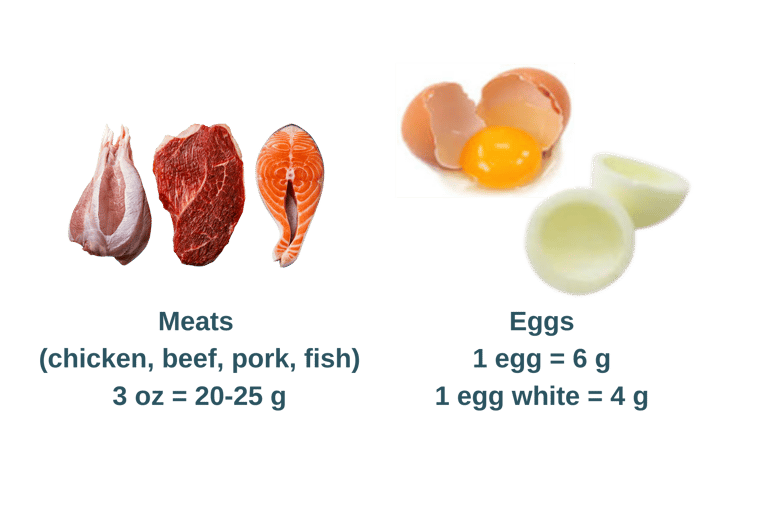
Animal-based protein sources including meats, eggs and dairy are typically high in protein, iron, B12 and contain all the essential amino acids. On the other hand, these proteins are often have high in saturated fat.
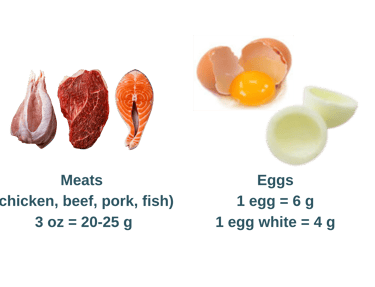
Here are some common sources of animal-based proteins and how many grams of protein they contain.


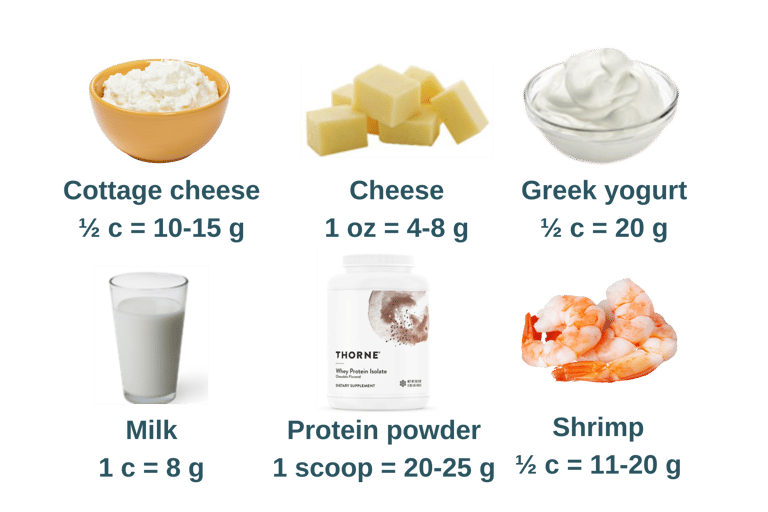
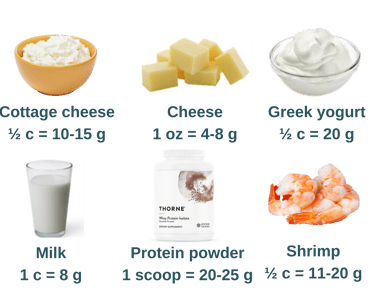
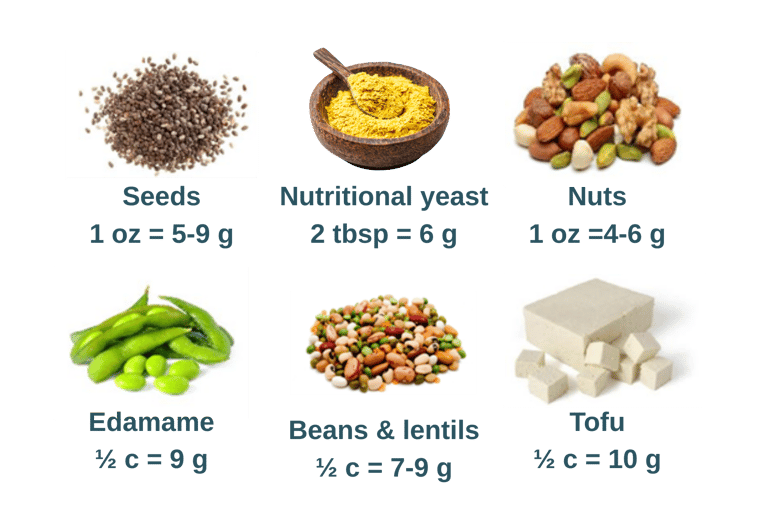
Plant-based protein sources including nuts, seeds, nutritional yeast, soy and beans are low in saturated fats, but are often lower in total protein amount compared to their animal-based counterparts.
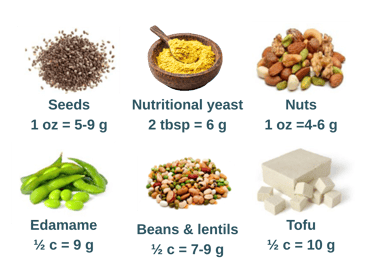
Here are some common sources of plant-based proteins and how many grams of protein they contain.
Not all plant-based proteins contain all the essential amino acids, so it's important to consider building complementary proteins. For example, combining beans with rice can provide all your essential amino acids.
There are a few plant-based proteins that contain all the essential amino acids, these include soy products, quinoa, buckwheat, chia seeds and hemp seeds.
It's important to be aware of the benefits and drawbacks for each type of protein source. Animal-based proteins can be high in saturated fats and cholesterol, which may contribute to heart disease if consumed excessively. Most plant-based sources are lower in total protein density, requiring larger portions to meet daily protein requirements.