


What you need to know...
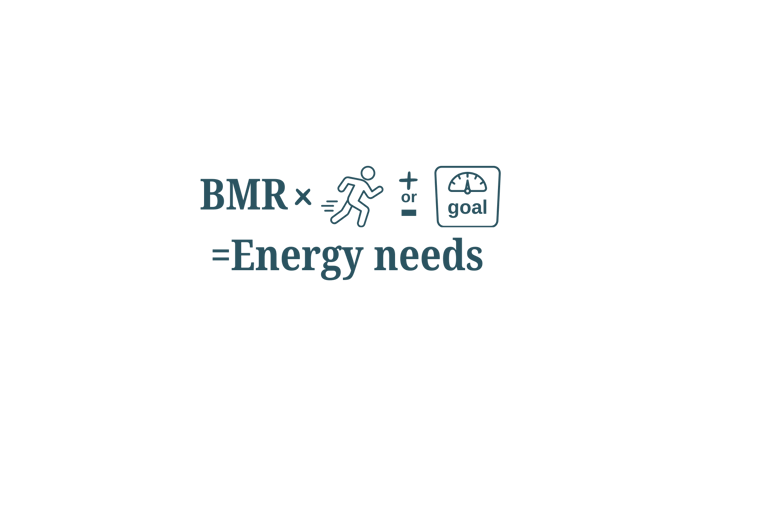
How to calculate your energy needs
1 .Start by calculating your Basal metabolic rate (BMR).
2. Multiply by an activity factor (how active you are).
3. Adjust total calories based on your goal (subtract or add 250-500 calories if your goal is to lose or gain weight respectively).
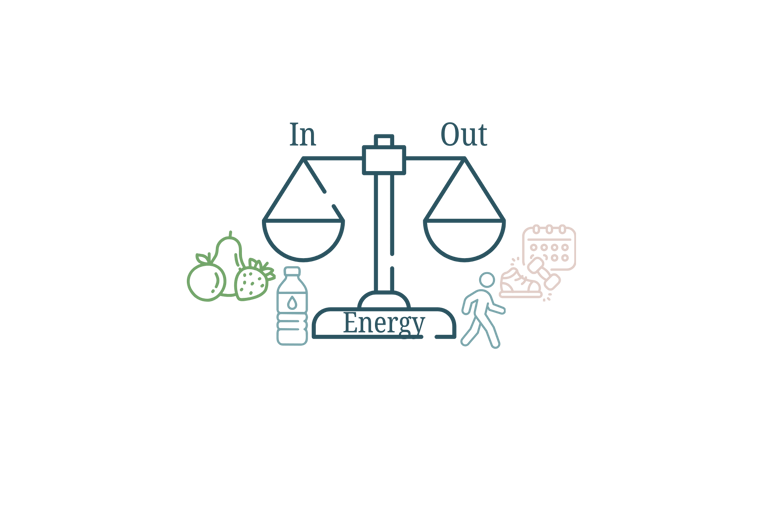
Components of energy balance
How to optimize your energy balance
Knowing how much you consume can be helpful to understand why you might not be meeting your calorie goals.
Tracking your intake in a notebook/planner or utilizing a calorie tracking application like chronometer, lose it, or myfitnesspal are options to consider.
The simple way for understanding energy balance is by aiming for: Energy in = energy out
Energy balance is made up of everything you put into your body (consume) and everything that you burn (energy lost).
Energy in: Know how much you eat (total calories and macro breakdown). Opt for macro-balanced meal options to optimize your intake.
Energy out: Move more! If you don't move much, start walking more (up to 10,000 steps per day). If you're already active add in more structured cardiovascular and strength training activities.
Tools to track your energy intake
Read the full article
Assessing your energy needs
Understanding your energy needs is pivotal for maintaining a balanced diet and preventing weight fluctuations. Your individual energy needs vary depending on several factors, including age, gender, weight, height, and activity level.
The first step in evaluating these needs is to calculate your Basal Metabolic Rate (BMR), which represents the number of calories your body requires to maintain basic physiological functions at rest. Your BMR makes up the majority of calories your body uses throughout the day (roughly 65-70% of your total energy).
This number is a very important benchmark to know because if you chronically consume less than your BMR, you risk slowing of your metabolism as well as potential muscle breakdown. There are many equations to calculate your BMR. Use this simple calculator to see what your BMR is.
Both calculations result in an estimated BMR, which can then be multiplied by an activity factor to obtain the Total Daily Energy Expenditure (TDEE).
The second step in calculating your energy needs is to multiply your BMR by how active you are throughout the day. This will then give you a total amount of calories you need to consume that will maintain your current weight.
For example, if you engage in moderate exercise several times a week, you would utilize a higher activity factor to account for the additional calories expended. Understanding TDEE allows you to tailor your dietary intake more precisely. Use this chart to determine what the 'activity factor' you should multiply your BMR by is.
The final step in find your goal energy needs is to adjust your calories based on your personal goals. If you are aiming to lose weight, you would want to minus between 250-500 calories from your total daily calorie amount.
If you want to gain weight, add between 250-500 calories from your total daily calorie amount. Here is a simple graphic of how you calculate your energy needs.
Understanding your calorie needs is the first step in being able to see how your intake aligns with your overall weight (and body composition goal). After having an understanding of what your goal calorie needs are, consider seeing what you are actually consuming.


Tools to assess dietary intake
There are many different tools you can use to get a better understanding of how much you consume. Using either a notebook, journal, or meal tracking journal are a functional option that can be used in conjunction with mindfulness activities (like journaling before bed, etc.).
If you're someone who likes to see numbers and data, there are also a variety of different applications that will give you calorie tracking information. Some of these include chronometer, lose it, or myfitnesspal.
Whatever you choose to use to assess your dietary intake, having a better awareness of how much you consume is helpful if you have a goal of either losing or gaining weight.


What is energy balance?
Energy balance is the relationship between the energy (calories) you consumes through food and drink and the energy expended through various activities and metabolism. In simpler terms, it refers to the balance between calories in versus calories out. Maintaining energy balance is crucial for overall health, as it plays a significant role in regulating body weight and metabolism.
The concept of energy balance is influenced by many factors including an individual’s lifestyle, diet, physical activity, metabolic processes, and psychological state.
Energy in: includes everything you consume, specifically the foods and drinks you eat. Eating too many calories or too little (below your BMR) can impact your metabolism. If you over consume and your body doesn't have a 'need' to burn them, these calories will be stored as body fat. Too little consumption can eventually slow your metabolic function to meet the amount you are consuming.
Energy out: your lifestyle and activity level greatly impacts your 'energy out'. Sedentary behaviors (prolonged sitting or inactivity), cause you to burn less energy, while regular physical activities like walking, jogging, or resistance training promotes increased energy expenditure. These choices directly impact the body’s ability to burn calories and regulate weight.
Other factors: metabolic, psycho-emotional, and diet quality are also critical factors to consider when to comes to your energy balance.
Each individual has a unique metabolic rate influenced by genetics, age, and hormonal balance. Younger individuals typically possess a higher basal metabolic rate (BMR) due to increased muscle mass and higher levels of physical activity. While older individuals have slower metabolic processes, meaning making adjustments in dietary energy intake becomes more important to maintaining energy balance.
Psycho-emotional components should not be overlooked either. Factors such as stress and quality of sleep can drastically influence energy needs. Elevated stress levels can alter eating behaviors and lifestyle choices, often leading to higher caloric intake or less physical activity. Poor sleep patterns can also disrupt hormonal signals related to hunger and satiety, further affecting energy balance.
Diet, including macronutrient distribution and meal timing, also impacts your energy balance. Consuming macro-balanced meals helps to balance hormones and keeps energy constant. While the timing of meals during the day can also play a crucial role in regulating energy levels and minimizing cravings.

Optimizing your energy balance
There are many tools you can use to impact your energy balance, whether it's focusing on what you consume, or how you 'burn' it. Let's look at both sides of the energy balance to see where we can start optimizing it.
Energy in: one effective approach to manage what you consume is mindful eating. This practice encourages you to pay attention to your hunger cues and satiety signals while being aware of the flavors and textures of your food. By focusing on the experience of eating, you are more likely to make healthier food choices and avoid overeating.
Another way you can adjust your intake by knowing the quality of what you eat is by meal planning. When you meal plan, you can craft macro-balanced meals that give you the right type of nutrients to promote a healthy metabolism.
Understanding serving and portion sizes is another critical aspect of maintaining energy balance. Familiarizing yourself with appropriate serving sizes can prevent you from consuming excess calories.
Energy out: regular physical activity is a crucial component of achieving energy balance. Engaging in consistent exercise not only burns calories but also improves metabolic health.
Move more! If you currently don't do much physical activity, get up and aim to get between 5,000-10,000 steps a day. If you're already active try including a mix of aerobic activities, strength training, and flexibility exercises to maintain a well-rounded fitness regimen.

