


What you need to know...
Wait, I can use prepackaged foods for healthy meals?
Yes, you do not need to be a gourmet from day one. Prepackaged foods can be used in conjunction with other ingredients to make delicious, healthy meals.
Dietitian approved prepackaged foods.
Some of my favorite options for prepackaged foods include steam-able vegetables, steam-able rice, rotisserie chicken, shrimp, tuna, salad kits, pre-cut fruit, Greek yogurt, hummus and guacamole.
Is there anything I should be trying to limit when I buy prepackaged foods?
The two main things to consider when it comes to what to limit in prepackaged foods are sodium and added sugar content. Check out these articles on sodium content and label reading for more information.
Any other tips for utilizing prepackaged foods?
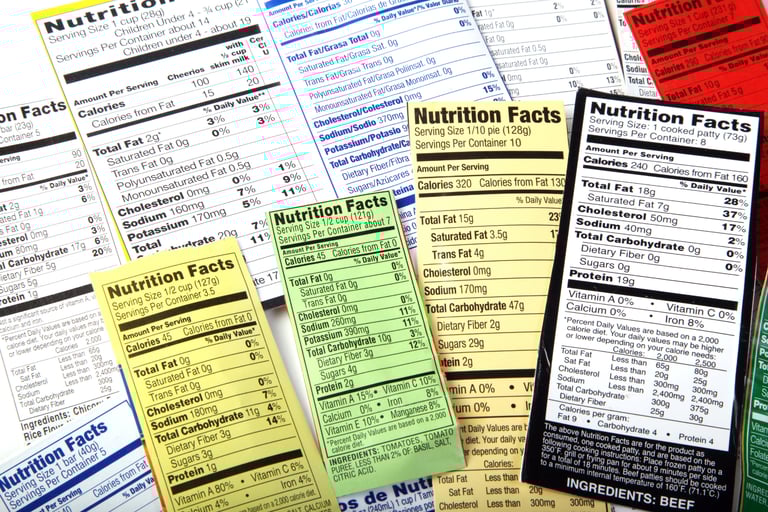
Always read nutrition labels! They will give you a snapshot of the nutrition quality of the food.
If it's carbohydrate: aim for >3g fiber per serving. (trust me, it will eliminate ~90% of products on the shelf).
Avoid trans fats (they're not natural, they are hard for your body to breakdown).
If it's >15g protein = a high protein food (yay!).
Compare similar products for nutrient content and price.
Utilize apps like Yuka or Bobby approved to find more nutrient dense options.
Read the full article
Meal planning doesn't have to be a daunting task filled with complex cooking methods. In fact, with a bit of creativity and some convenience items, you can whip up delicious meals without spending hours in the kitchen. Whether you're a busy professional or a parent juggling multiple responsibilities, using prepackaged foods can save you time while still ensuring you enjoy nutritious meals.
When using prepackaged foods, there are a few considerations to look into to pick healthy (and delicious) options. Try these tips to start finding high quality prepackaged foods to use as part of your meal plan.
Look at your food's main macronutrient
Often prepackaged foods will be a mixture of all the macronutrients (carbohydrates, protein and fat), but if you look at these general food types, they will primarily fall into one of the following 'main' macronutrient categories. If you want to take a deeper dive into 'all things' macronutrients read this article.
Carbohydrates: Vegetables, fruit, bread, tortillas, potatoes, pasta, rice, quinoa, oatmeal, grains, salad, cereal and dried fruits.
Protein: Eggs, chicken, fish, dairy products, beans, lentils, soy products, beef, pork and seafood.
Fats: Oils, butter, nuts, seeds, almonds, avocado, peanut butter, dressings and cheese.
Considering the main macronutrient component of a food is important to see how to build a macro-balanced meal around it. Having macro-balanced meals as part of your normal diet are an essential part of giving your body the right cues to promote hormone production and release. This can aid in having consistent hunger cues and reduce cravings (specifically of sugar).


Read nutrition labels
Nutrition labels are required to be included on any packaged food. These labels give you a snapshot of what is in the food including and overview of it's macronutrients and main ingredients. Use these as a tool to understand the following components of your prepackaged food.
Total calories and serving size: The very first thing you see on your nutrition label is the total calories of the food. This will tell you what is in 1 serving. It is important to read and see what the actual serving size is (often the serving size IS NOT the entire package, just a portion of it).
A general goal for total calories in a meal is ~ 400-600 calories with roughly 1/3 coming from each macro group (so 150-200 calories of carb, protein and fat).
Fat: 100 calories or 1 serving of fat is 11g. See what the total fat grams are and how that compares to total calories in the meal. Aim to limit trans fats, as they are hard for your body to break down.
Sodium: This is not a main macro, but something very important to consider when using packaged foods because often salt is added in excess to these foods. Total daily intake of sodium should be 2300mg (or less) the nutrition label will tell you what this percentage is. To learn more about sodium, read this article.
Carbohydrates: 100 calories or 1 serving of carbohydrate is 25g. Similar to the fat grams, you can use this to see how much of this food is carbohydrate. There are a few other considerations when it comes to carbohydrates to look at including fiber and added sugars.
Fiber: ONLY pick carbohydrate rich foods that have 3 grams of fiber or more. This is an easy way to eliminate less healthy options when choosing prepackaged carbohydrates (trust me, you'll be surprised how much is eliminated when you look at fiber).
Added sugar: It is not recommended to consume more than 25 grams of added sugar in a day. Most Americans have 3x that amount. Keep added sugar as low as possible, with a goal of <5g per serving. Additionally, any form of added sugar should not be one of the first three items in the ingredients list.
Protein: 100 calories or 1 serving of protein is 25g. Similar to the carbohydrate grams, you can use this to see how much of this food comes from protein.
Prepackaged foods to consider
Here are some ideas for staple prepackaged foods that can be easily incorporated into your diet and meal planning endeavors.
Carbohydrates: salad kits, frozen fruit, frozen veggies (steam-able), pre-cut fruit, pre-cut veggies, oatmeal cups, rice, pasta, quinoa, Lara bars, that's it bars, dried fruit, tortilla, popcorn and bread.
Protein: Hardboiled eggs, rotisserie chicken, precooked shrimp, greek yogurt cups, tofu, soyrizo, milk, lentils (steam-able), edamame (steam-able), protein powders, beans, nutritional yeast and lunch meats.
Fats: Single serving peanut butter, hummus, guacamole, almonds, seeds, trail mix, walnuts, flax seed, chia seed, cheese, and cheese sticks.
Meal planning with convenience foods doesn't just make life easier; it can also be fun to experiment with new combinations. Remember, the goal is to keep it simple while not compromising on taste or nutrition. Check out your local grocery store for ideas and get inspired to create your own simple meal plans using prepared foods!

